After every June storm, Aurora homeowners check the roof, the car, the windows — and almost never the gray box behind the house. That box took the same beating, and it shows up later as a struggling AC and a higher Xcel bill.
Your condenser is made of soft metal on purpose
The outdoor unit’s coil is wrapped in thousands of thin aluminum fins. Aluminum is soft because it transfers heat well — and that softness is why hail shreds it. A moderate storm can flatten whole sections of fin surface.
Flattened fins block airflow. Blocked airflow means the compressor runs hotter and longer to move the same heat, wearing itself out while your electric bill climbs.
The roof-gutter-AC inspection walk
After any hailstorm, take two minutes:
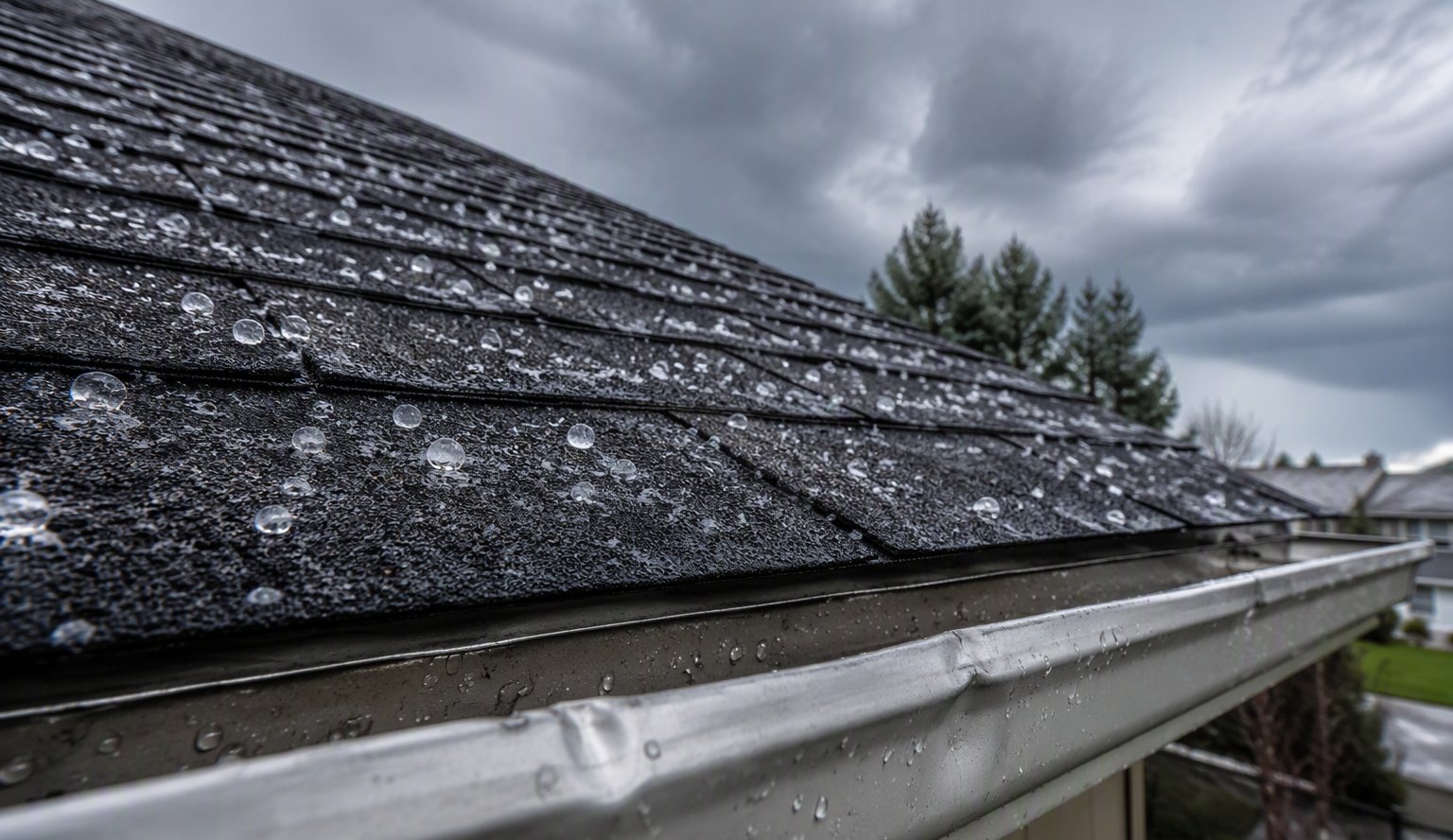
- Roof and gutters: if shingles show fresh dings or the gutters are dented, the storm was strong enough to hit your condenser too.
- Look at the coil: the fins should be straight and open, like a comb. Flattened, silvery patches are hail strikes.
- Check the top fan grille: large hail can dent the guard and, in bad storms, bend fan blades.
- Listen: a unit that suddenly sounds rougher after a storm is telling you something.
Can hail damage be repaired?
Often, yes. Light-to-moderate fin damage can be combed straight — a fin comb is a simple tool and the job is quick. Heavy damage across most of the coil is different: at some point the airflow loss and compressor strain make replacement the honest recommendation.
The key is an inspection before you spend anything. We photograph the coil, show you what we see, and quote the actual fix — which is frequently just a cleaning and a comb-out.
Insurance and the AC
Here’s what surprises people: hail damage to your condenser is typically part of your homeowner’s hail claim, same as the roof. If you’re filing for storm damage, have the AC inspected and documented before the adjuster closes the file. It’s far easier inside an open claim than after.